











How AI is quietly transforming small businesses in 2026
AI stopped being a buzzword and became a quiet competitive advantage. Here's how small and mid-sized businesses are actually using it - practically, today.
AI for Small Business
In this article
For years, artificial intelligence felt like something for tech giants with research labs and infinite budgets. That's no longer true. In 2026, the most interesting AI story isn't a flashy demo - it's the accountant automating data entry, the boutique answering customers at 2am, and the agency drafting first drafts in seconds. AI has quietly become infrastructure for small business.
The businesses pulling ahead aren't the ones chasing every shiny tool. They're the ones picking a few high-leverage uses, wiring them into real workflows, and freeing their people to do the work only humans can. This article is a tour of what that looks like in practice.
Customer support that never sleeps
The most common and immediately valuable use of AI is customer-facing chat. A well-built assistant trained on your products, policies, and FAQs answers the bulk of routine questions instantly, day or night, in multiple languages. It qualifies leads, recovers hesitant shoppers, and hands the tricky cases to a human with full context.
The key word is 'well-built'. A generic bot that loops 'I didn't understand that' damages trust. An assistant grounded in your actual content, with a clean handoff to a person, genuinely improves the experience while cutting support load. That's exactly the philosophy behind our own Ecomsy Connect.
Content and marketing at speed
AI is a tireless first-draft machine. Product descriptions, blog outlines, ad variations, email campaigns, social captions - the blank page problem largely disappears. The winning approach is human-in-the-loop: AI drafts, a person edits for accuracy, brand voice, and judgement. You get the speed of automation with the quality of a human eye.
A word of caution: AI-generated content at scale, published unedited, reads as generic and can hurt your brand and your search rankings. Use it to accelerate good people, not to replace editorial standards.
Operations and the busywork tax
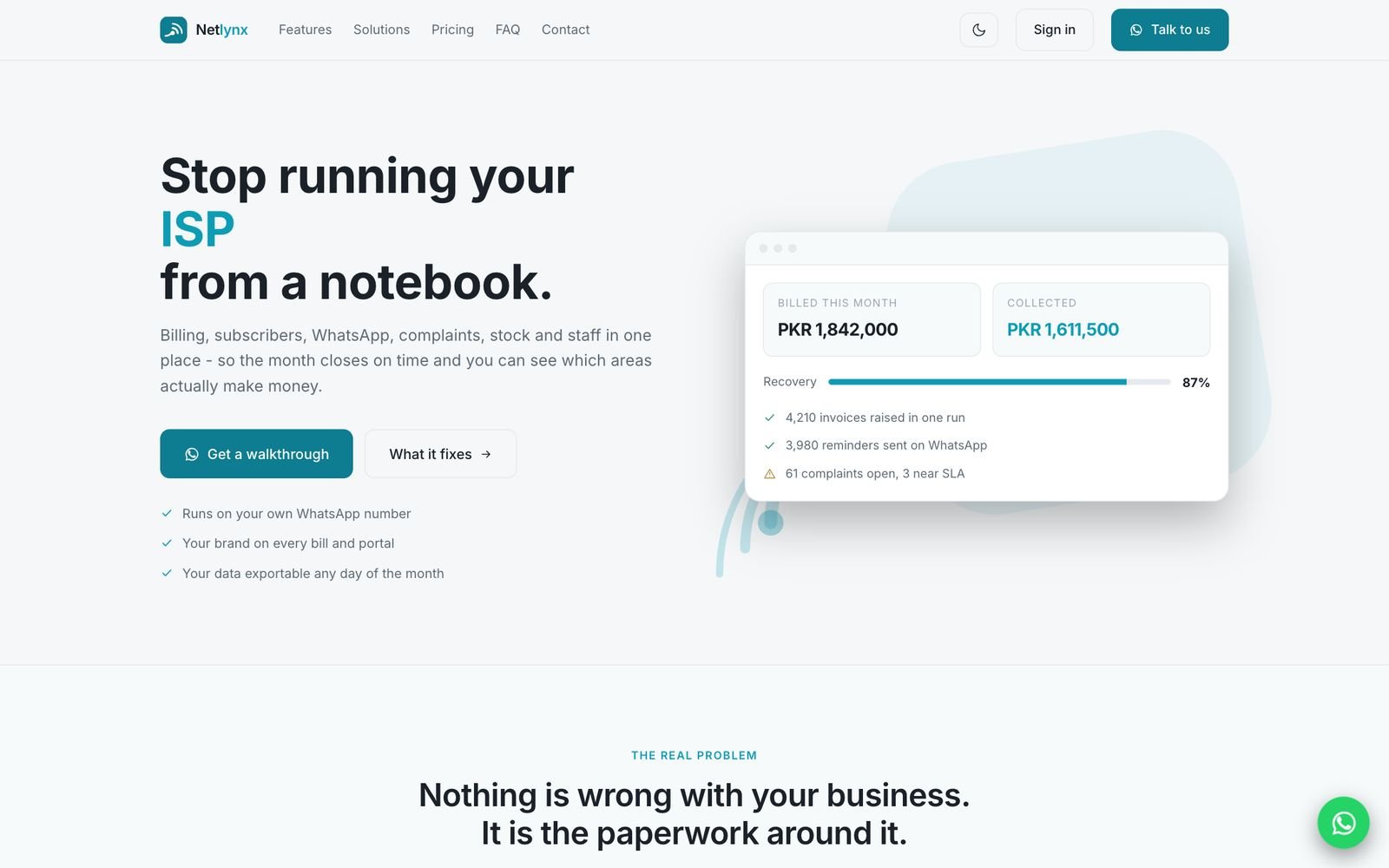
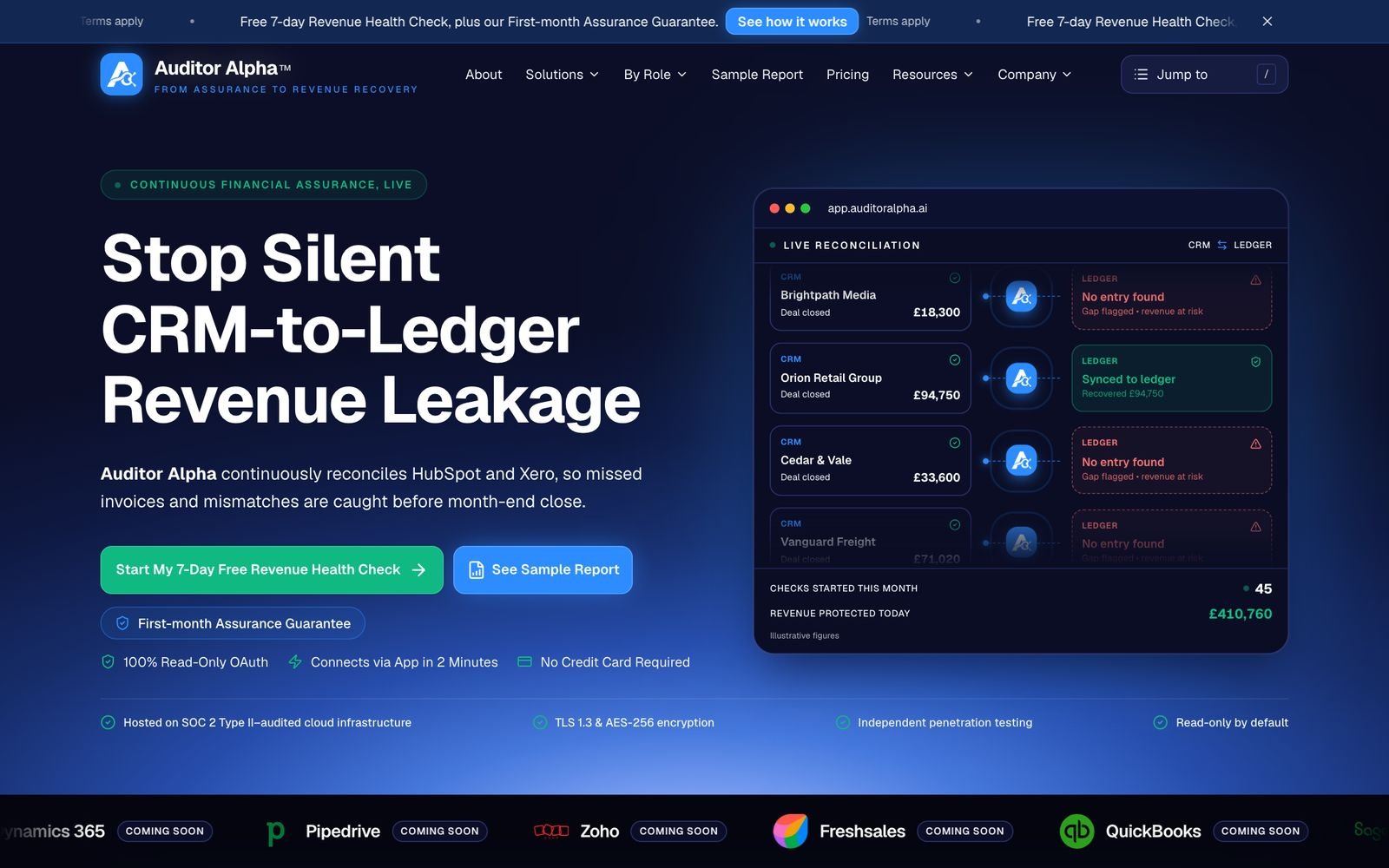
Every business pays a hidden 'busywork tax' - hours lost to copy-pasting between tools, reconciling spreadsheets, and manual data entry. AI quietly eats into that. It can categorise transactions, extract data from invoices and receipts, summarise long documents and meetings, and route incoming requests to the right place.
- Auto-extracting line items from supplier invoices.
- Summarising customer emails and tagging them by intent.
- Drafting replies that a human approves with one click.
- Turning meeting recordings into action items.
- Flagging anomalies in sales or inventory data.
Smarter decisions from your own data
Most small businesses sit on a goldmine of data they never use - sales history, customer behaviour, support tickets. AI makes that data legible. Instead of staring at spreadsheets, you can ask plain-language questions and get answers: which products are trending, which customers are about to churn, where margins are slipping. Predictive tools forecast demand so you stock smarter and waste less.
The risks worth taking seriously
AI isn't magic, and pretending otherwise is how businesses get burned. Models can be confidently wrong, so anything customer-facing or financial needs guardrails and human review. Data privacy matters - be careful what you feed third-party tools, especially customer information. And over-automation can strip the human warmth that small businesses win on. The goal is augmentation, not a cold, faceless machine.
Practically, that means starting small, keeping a human in the loop for anything high-stakes, and choosing tools that are transparent about how they handle your data.
How to actually get started
Don't begin with the technology - begin with your biggest, most repetitive pain. Where does your team lose the most time? Where do customers wait too long? Pick one such problem, apply a focused AI solution, measure the result, and expand from there. One solved problem builds the confidence and the budget for the next.
Key takeaways
- AI is now practical infrastructure for small business, not just big tech.
- Best first uses: 24/7 support, faster content, and killing busywork.
- Keep humans in the loop for anything high-stakes.
- Mind data privacy and don't over-automate the human touch.
- Start with your biggest repetitive pain, not the shiniest tool.
The businesses that thrive over the next few years won't be the ones that used the most AI - they'll be the ones that used it most thoughtfully, to make their people and their customers' lives genuinely better. If you're not sure where to start, that's exactly the conversation we love having.
Thinking about a project like this?
We'd love to help you build it. Book a free, no-obligation consultation.
Get Free Consultation