












Off-the-shelf vs custom software: which should you choose?
Buy ready-made or build custom software? An honest comparison of cost, fit, ownership, and when each option actually wins.
Custom vs Off-the-Shelf Software
In this article
Should you buy ready-made software or have something built for your business? Off-the-shelf is faster and cheaper to start; custom software fits your exact processes and pays off when your needs are specific. The right choice depends on how standard - or unusual - the way you work really is.
Key takeaways
- Off-the-shelf is pre-built software you subscribe to or buy; custom is built for you.
- Off-the-shelf is cheaper and faster to start; custom fits your processes exactly.
- Custom pays off when standard tools force inefficient workarounds.
- Judge by lifetime cost - including wasted hours - not just the purchase price.
- A hybrid approach (off-the-shelf plus custom pieces) is often the smartest.
The core trade-off
Off-the-shelf software is built once and sold to many - so you get a mature, ready product, but you adapt your business to how it works. Custom software is built around how you already work - so it fits perfectly, but you pay for that fit. Almost every other difference flows from this one.
Cost: upfront vs lifetime
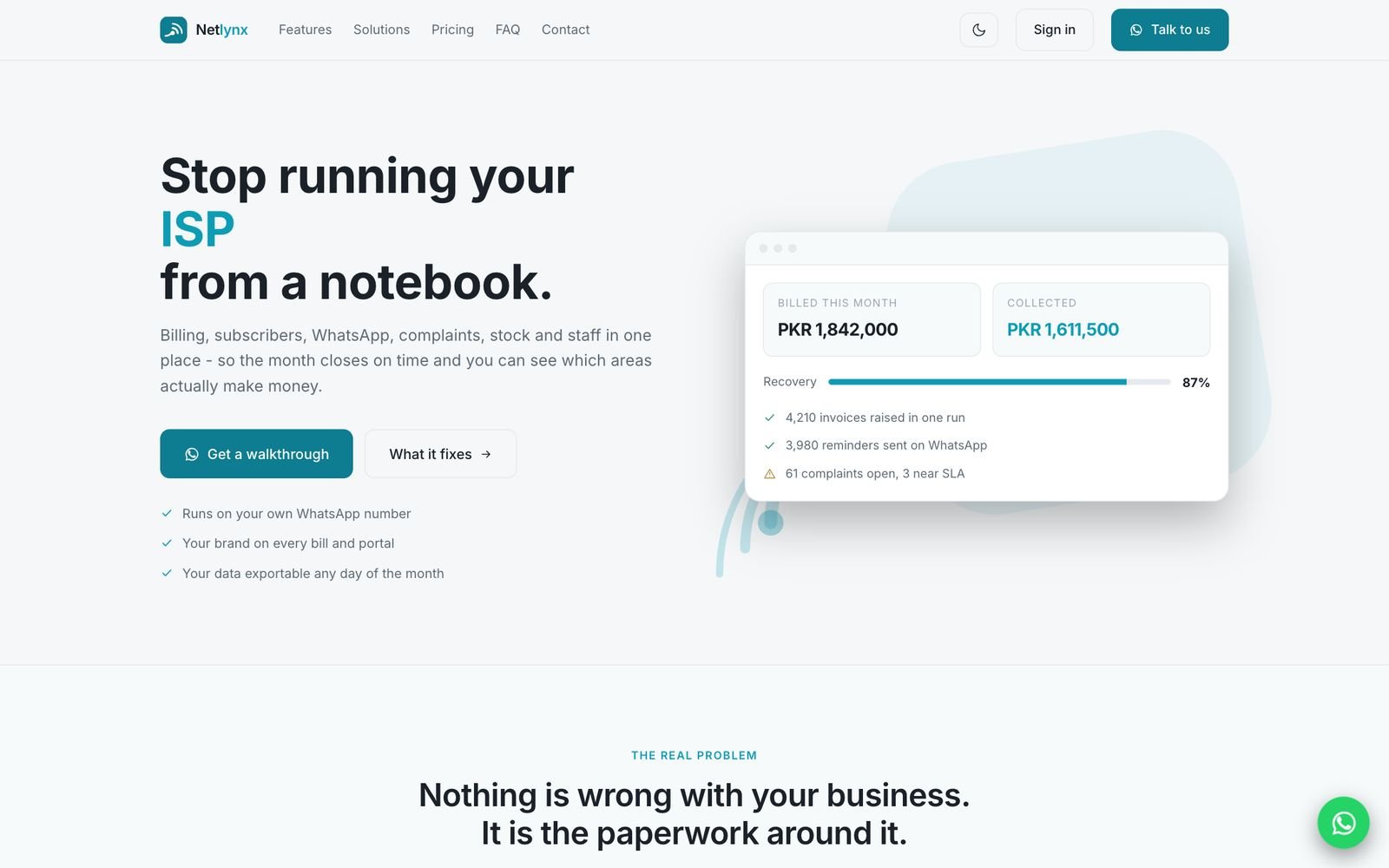
Off-the-shelf wins on upfront cost - a predictable subscription with no build. Custom costs more to create. But the real comparison is lifetime cost: if an off-the-shelf tool forces your team into daily workarounds, or you're paying for several apps that should be one, those hidden costs add up. Custom can be cheaper over the life of the business when it removes that friction.
Speed to start
If you need something working next week, off-the-shelf wins - sign up and go. Custom software takes time to design and build. When speed matters more than perfect fit, ready-made is the sensible first move; you can revisit custom once you know exactly what you need.
Fit: how well it matches your processes
This is custom's home turf. Off-the-shelf software covers common needs well but rarely matches unusual or competitive-advantage processes. If your way of working is part of what makes your business better, forcing it into generic software can quietly erode that edge. Custom software encodes your process exactly - the software fits you, not the other way round.
Scalability and ownership
With off-the-shelf, you depend on the vendor's roadmap, pricing, and future - if they raise prices or shut down, you adapt. With custom, you own the system and control its direction, but you're also responsible for its upkeep. Ownership is freedom and responsibility at once.
Integration with your other tools
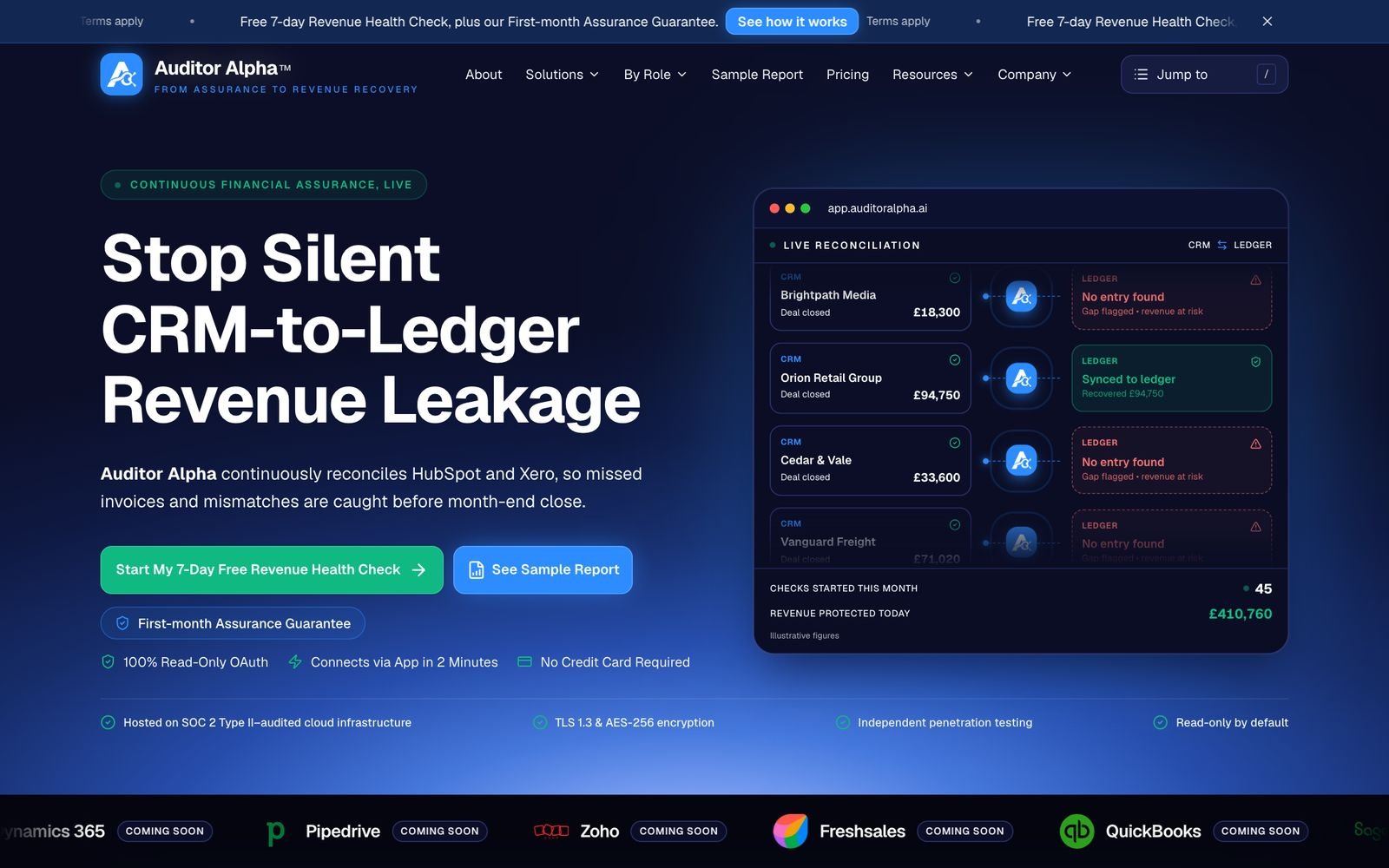
Few businesses run on one app. Off-the-shelf tools integrate with popular services but may not connect to everything you use. Custom software can be built to connect exactly the systems you run, so data flows instead of being re-entered. If disconnected tools are your pain point, custom directly solves it.
Maintenance and support
Off-the-shelf includes maintenance and support in the subscription - it's the vendor's job to keep it running and updated. Custom software needs a partner to maintain and improve it. Neither is free of upkeep; the difference is whether it's bundled into a subscription or handled by your development partner.
When off-the-shelf wins
- Your needs are common and well-served by existing products.
- You need something working quickly and cheaply.
- You'd rather not own maintenance and infrastructure.
- Your processes can sensibly adapt to the software.
When custom wins
- Your processes are specific or a source of competitive advantage.
- Existing tools force costly daily workarounds.
- You're juggling several apps that should be one connected system.
- You need tight integration with systems you already run.
- You want to own and control the system long term.
The right question is never “which is cheaper today” but “which costs less across the life of the business, once you count the hours wasted fighting the wrong tool.”
Frequently asked questions
Is custom software more expensive than off-the-shelf?
More upfront, yes. Off-the-shelf is cheaper to start. Custom can be cheaper over the life of the business when it removes daily workarounds and replaces several disconnected tools - compare lifetime cost, not just price.
When is custom software worth it?
When your processes are specific or a competitive advantage, when existing tools force inefficient workarounds, or when you're stitching together several apps that should be one system.
Is off-the-shelf software faster to get started with?
Yes. You can subscribe and start using it almost immediately, whereas custom software takes time to design and build.
Can I combine both?
Often that's the smartest approach - use off-the-shelf for standard needs and build custom only for the parts that are unique to your business.
Who maintains custom software?
Your development partner. Unlike off-the-shelf, where maintenance is bundled into the subscription, custom software needs ongoing upkeep and improvements you plan for.
If you're weighing ready-made against custom, we'll help you map your processes and find the honest answer - including where off-the-shelf is the smarter spend and where a custom piece will pay for itself. Often the best result is a sensible mix of both.
Thinking about a project like this?
We'd love to help you build it. Book a free, no-obligation consultation.
Get Free Consultation