











7 signs your website needs a redesign in 2026
Seven clear signs it's time to redesign your website in 2026 - from slow speed to weak leads - and how to do it without losing SEO.
Website Redesign Signs
In this article
A website isn't a one-time build - it ages, and a site that served you well three years ago may now be quietly costing you customers. The tricky part is knowing when a refresh is genuinely needed versus when you're just bored of it. Here are seven clear signs it's time to seriously consider a redesign in 2026.
Key takeaways
- A dated, slow, or non-mobile-friendly site actively loses you customers.
- If it's hard to update or no longer reflects your business, it's holding you back.
- Poor lead generation and weak SEO are signs the site isn't doing its job.
- A redesign is an investment in results, not just looks.
- Done right, a redesign protects your SEO and improves it.
1. It looks dated
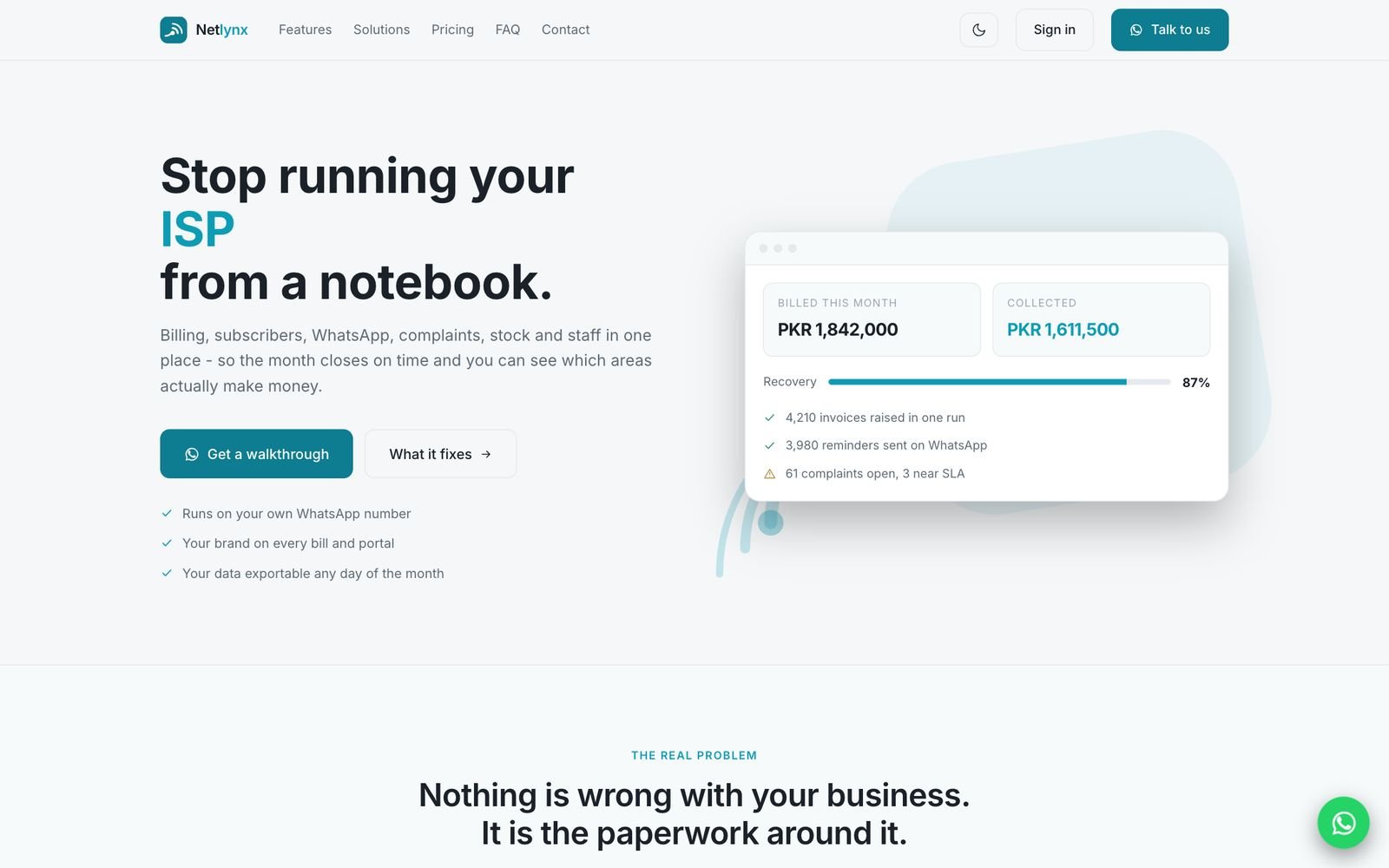
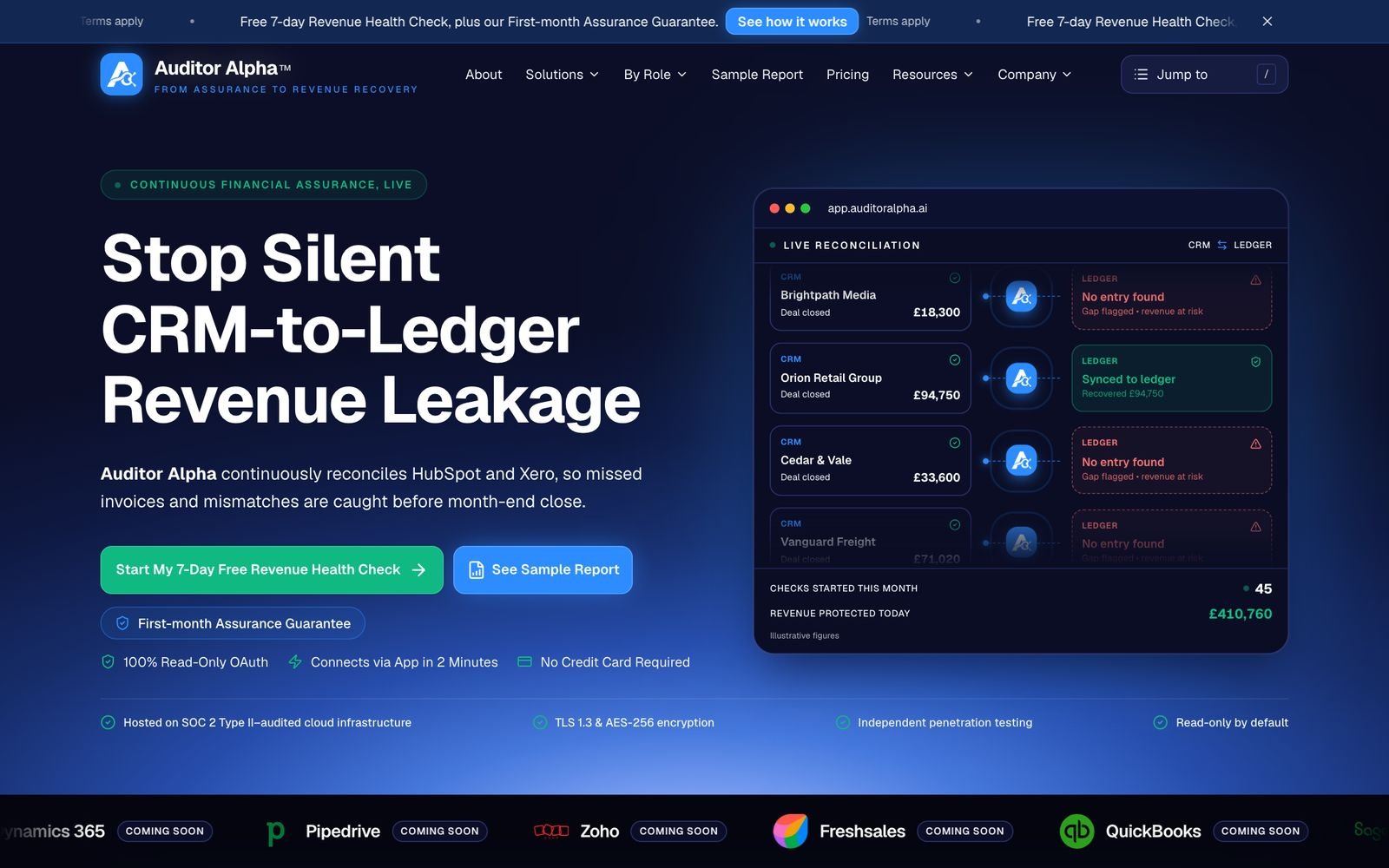
Design trends move, and visitors judge your credibility in seconds. If your site looks like it belongs to a different era - cramped layouts, old-fashioned styling, low-quality images - people quietly assume your business is behind the times too. A modern, clean design signals that you're current and trustworthy, often before anyone reads a single word.
2. It's slow
Speed is one of the most common reasons to redesign. If your pages take more than a few seconds to load, you're losing visitors before they see your offer - and Google is ranking you lower for it. Slowness often comes from an old build, bloated code, or unoptimised images, and it rarely improves on its own. A faster site keeps more visitors and ranks better at the same time.
3. It's not mobile-friendly
Most of your visitors are on phones. If your site is hard to use on a small screen - tiny text, awkward menus, buttons that miss - you're frustrating the majority of your audience and Google penalises the experience. A site that isn't genuinely mobile-friendly in 2026 is a serious liability, not a minor flaw.
4. It's hard to update
If making a simple change means calling a developer and waiting days, your website is working against you. A modern site should let you update content, add pages, and publish news without technical help. When your site is so rigid that you avoid touching it, it slowly goes stale - and stale sites lose both visitors and rankings.
5. It isn't bringing in leads or sales
The ultimate test of a website is whether it produces results. If traffic comes but enquiries don't, or visitors leave almost immediately, the site is failing at its actual job. This usually points to unclear messaging, a confusing layout, or no obvious next step for visitors to take. A redesign focused on conversion - clear value, easy navigation, strong calls to action - directly addresses this.
6. It doesn't rank on Google
If you're invisible in search, part of the cause may be baked into an old build: poor structure, slow speed, missing metadata, or content that no longer matches what people search for. A redesign is a chance to put proper SEO foundations in place so the site can actually be found - which, for most businesses, is the difference between a website that earns its keep and one that just exists.
7. It no longer reflects your business
Businesses evolve - new services, new audiences, a sharper focus - but websites often lag behind. If your site still describes who you were rather than who you are, it's misleading the very people you want to attract. When there's a gap between your real business and the one your website portrays, it's time to realign them.
How to redesign without losing your SEO
The biggest fear about redesigning is losing hard-won Google rankings, and it's a fair one - but it's entirely manageable. The key is to preserve or properly redirect your existing URLs, carry over your content and metadata, and keep the new site fast and crawlable. Handled carefully, a redesign protects your rankings and usually improves them, because the new build is leaner and better structured. The danger isn't redesigning - it's redesigning carelessly, which is a process you can insist on getting right.
Redesign or rebuild - which do you need?
Not every ageing site needs to be torn down. If the structure is sound and the issues are mostly visual or content-related, a redesign that refreshes the look and improves key pages may be enough. But if the site is slow, hard to maintain, or built on outdated foundations, a rebuild is the better investment - patching a fundamentally weak site rarely lasts. An honest assessment of what's actually wrong tells you which path makes sense, and a good partner will tell you when the cheaper option is the right one rather than selling you the bigger job.
Frequently asked questions
How often should a business redesign its website?
There's no fixed rule, but every three to five years is common - sooner if your site is slow, not mobile-friendly, hard to update, or no longer reflects your business. Watch the signs rather than the calendar.
Will redesigning my website hurt my Google rankings?
Not if it's done properly - preserve or redirect your URLs, carry over content and metadata, and keep the site fast. A careful redesign usually improves rankings because the new build is leaner.
How do I know if I need a redesign or just small updates?
If the issues are cosmetic or content-based, updates may be enough. If the site is slow, not mobile-friendly, hard to update, or failing to generate leads, that points to a redesign.
How long does a website redesign take?
It depends on size and scope - a small site can be redesigned in a few weeks, a larger or custom one takes longer. Clear goals and ready content keep it moving.
Is a website redesign worth the cost?
If your current site is losing visitors, failing to convert, or invisible on Google, yes - a redesign is an investment in results, not just appearance.
If a few of these signs sound familiar, it's worth a conversation. We can review your current site honestly and tell you whether it needs a full redesign or just targeted improvements - and how to do it without losing your rankings.
Thinking about a project like this?
We'd love to help you build it. Book a free, no-obligation consultation.
Get Free Consultation